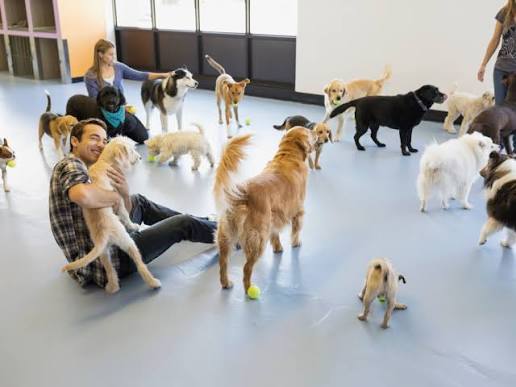
Leaving a dog in someone else’s care can be challenging, especially when the animal is naturally timid, anxious, or uncomfortable around unfamiliar people. New surroundings, unfamiliar sounds, changes in routine, and separation from family members can make boarding particularly stressful for sensitive dogs. However, with appropriate preparation and a suitable care environment, these dogs can have a more comfortable experience.
For owners considering dog boarding for nervous and shy dogs, understanding their pet’s individual needs is an important first step. Rob’s Dog Training recognizes the importance of considering canine behavior when evaluating dog care options. Choosing a boarding arrangement that prioritizes patience, supervision, and individualized attention can help nervous dogs feel safer while their owners are away.
Why Nervous and Shy Dogs Need Specialized Boarding Care
Not every dog responds to unfamiliar environments in the same way. While confident dogs may quickly adjust to new people and surroundings, shy dogs often need additional time to feel comfortable.
Some dogs may hide, avoid eye contact, refuse treats, bark excessively, or remain unusually quiet when placed in unfamiliar situations. Others may become restless, cling to familiar people, or show signs of separation-related distress.
These behaviors do not necessarily indicate that a dog cannot adapt to boarding. Instead, they highlight the importance of understanding individual temperament and recognizing signs of discomfort.
A suitable boarding environment should consider:
- Individual temperament: Understanding whether a dog is naturally cautious, fearful, or uncomfortable with unfamiliar interactions.
- Gradual introductions: Allowing dogs to become familiar with caregivers and surroundings without unnecessary pressure.
- Consistent routines: Maintaining familiar feeding, sleeping, and activity schedules whenever possible.
- Appropriate supervision: Monitoring behavior and responding calmly when a dog shows signs of stress.
- Comfortable resting areas: Providing a quiet space where dogs can retreat when they need time alone.
These considerations help create a more predictable experience for dogs that may struggle with sudden changes.
How to Choose Dog Boarding for Nervous and Shy Dogs
Finding suitable accommodation requires more than checking availability, pricing, or photographs of the facility. Owners should understand how caregivers handle timid animals and what measures are in place to support their emotional and physical well-being.
1. Look for Caregivers Who Understand Canine Behavior
Experience with different canine temperaments is particularly important when choosing boarding for a nervous dog. Caregivers should recognize common signs of fear and understand that avoiding interaction is not necessarily disobedience.
For example, a dog that moves away when approached may need additional space rather than encouragement to interact. Similarly, a dog that remains quiet in a corner may be uncomfortable rather than relaxed.
Ask potential boarding providers how they respond to fearful behavior, introduce unfamiliar people, and manage dogs that need additional reassurance.
2. Evaluate the Environment and Safety Measures
A calm, well-maintained environment can make a meaningful difference to a dog’s boarding experience. Excessive noise, crowded spaces, unpredictable interactions, and limited opportunities for rest may increase discomfort in sensitive animals.
During a facility visit, look for:
- Secure gates, fencing, and entry points.
- Clean sleeping and common areas.
- Adequate ventilation and comfortable temperatures.
- Separate spaces for dogs that need reduced interaction.
- Appropriate supervision throughout the day.
- Clear procedures for emergencies and veterinary care.
Owners should also ask whether dogs are grouped according to their size, temperament, and compatibility rather than placing every animal together.
3. Ask About Individualized Care
A nervous dog may not respond well to the same activity schedule as a confident, outgoing companion. Some dogs benefit from gentle interaction and short walks, while others need additional opportunities to rest and observe their surroundings.
A boarding provider should be willing to discuss individual feeding arrangements, medication requirements, behavioral concerns, exercise preferences, and comfort routines.
The ability to adjust care according to a dog’s needs is particularly valuable when managing unfamiliar environments.
Preparing a Shy Dog for an Overnight Boarding Stay
Preparation can help reduce uncertainty before a boarding stay. Rather than waiting until departure day, owners can introduce small changes in advance to help their dogs become more comfortable with temporary separation and unfamiliar experiences.
Arrange a Preliminary Visit
If possible, visit the boarding facility with your dog before the scheduled stay. Allow your pet to observe the surroundings, encounter caregivers, and become familiar with unfamiliar sounds at a comfortable pace.
Avoid forcing interactions or expecting immediate confidence. A short, positive introduction may be more beneficial than an extended visit that overwhelms the dog.
Maintain Familiar Routines
Dogs often rely on predictable daily schedules. Keeping feeding times, walks, and sleeping arrangements consistent before boarding can help maintain a sense of stability.
Provide the caregiver with clear instructions about your dog’s normal routine, including preferred activities, feeding portions, and bedtime habits.
Bring Familiar Comfort Items
A familiar blanket, bedding item, or safe toy may provide reassuring scents and recognizable surroundings. These objects can help some dogs settle into an unfamiliar sleeping area.
However, owners should confirm that the facility allows personal belongings and that the items are appropriate for the dog’s safety.
Practice Short Periods of Separation
For dogs that struggle when separated from their owners, gradually practicing short periods apart may help them become more accustomed to temporary separation.
Begin with manageable intervals and avoid making departures or reunions overly dramatic. If a dog displays severe separation-related distress, professional behavioral guidance may be appropriate before arranging an extended boarding stay.
Recognizing Stress During Dog Boarding
Understanding canine body language helps owners and caregivers identify when a dog needs additional support. Nervous dogs may communicate discomfort through subtle physical and behavioral changes.
Common signs of stress include:
- Excessive panting without an obvious physical cause.
- Repeated yawning or lip licking.
- Tucked tails and lowered body posture.
- Avoiding eye contact or hiding.
- Pacing, whining, or excessive barking.
- Reduced appetite or reluctance to accept treats.
- Trembling or difficulty settling down.
These signs should be considered in context because some can also have physical or medical causes. Caregivers should monitor changes in behavior, eating habits, and activity levels rather than assuming every unusual response is caused by anxiety.
Clear communication between owners and boarding staff is equally important. Regular updates can help owners understand how their dogs are adjusting and whether any changes to their care arrangements are necessary.
Should Nervous Dogs Participate in Group Play?
Social interaction can provide enrichment for some dogs, but group play is not automatically suitable for every animal.
A shy dog may feel overwhelmed when surrounded by unfamiliar dogs, particularly in an environment where interactions are difficult to avoid. Forcing participation can increase fear and create negative associations with other animals.
Instead, caregivers should consider the dog’s social history, body language, confidence, and individual preferences.
Some dogs may benefit from carefully supervised introductions to compatible companions. Others may be more comfortable with individual walks, interactive toys, scent-based activities, and quiet time with familiar caregivers.
The goal should not be to make every dog more social. It should be to provide appropriate opportunities for physical activity and mental stimulation without compromising their comfort.
When a Different Care Arrangement May Be More Appropriate
Although many nervous dogs can adjust to boarding, some may experience significant distress in unfamiliar environments. Dogs with severe separation anxiety, a history of trauma, certain medical conditions, or intense fear responses may require additional consideration.
In these situations, owners should discuss suitable arrangements with their veterinarian or a qualified canine behavior professional.
Depending on the dog’s circumstances, alternatives may include an in-home pet sitter, care from a familiar person, or a gradual boarding introduction before committing to a longer stay.
Making this decision based on the dog’s well-being is more important than choosing an arrangement simply because it is convenient.
Make Your Dog’s Boarding Experience More Comfortable
Choosing appropriate accommodation for a timid companion involves understanding more than basic boarding requirements. Owners should consider temperament, safety, supervision, daily routines, social preferences, and access to quiet resting areas.
The most suitable dog boarding for nervous and shy dogs provides individualized attention without placing unnecessary pressure on animals to interact or adapt immediately. By preparing in advance, communicating clearly with caregivers, and recognizing signs of stress, owners can make more informed decisions about their dog’s temporary care.
With guidance from experienced providers such as Rob’s Dog Training, owners can better understand the importance of patience and individualized care when arranging boarding for sensitive dogs. Every dog deserves an environment where its individual needs are respected. With thoughtful preparation and patient handling, even sensitive dogs can have a more manageable and comfortable boarding experience.
